Llamas in Art and Contemporary Design
How llamas have influenced contemporary art: digital illustration, luxury textiles, artistic ceramics, and interior design trends.
Llamas have been a recurring, sacred motif in traditional Andean textile design for decades, but their presence in contemporary graphic design, digital illustration, and global fashion patterns exploded between 2015 and 2020. Analysing why this animal connects so powerfully with today's aesthetic reveals interesting trends about how we consume and value images today.
The llama has found its place across virtually every contemporary aesthetic movement
- Scandinavian minimalism: simple lines, neutral palettes, basic geometry. Applied in posters and children's books, with artists like Lisa Congdon and Blanca Gómez.
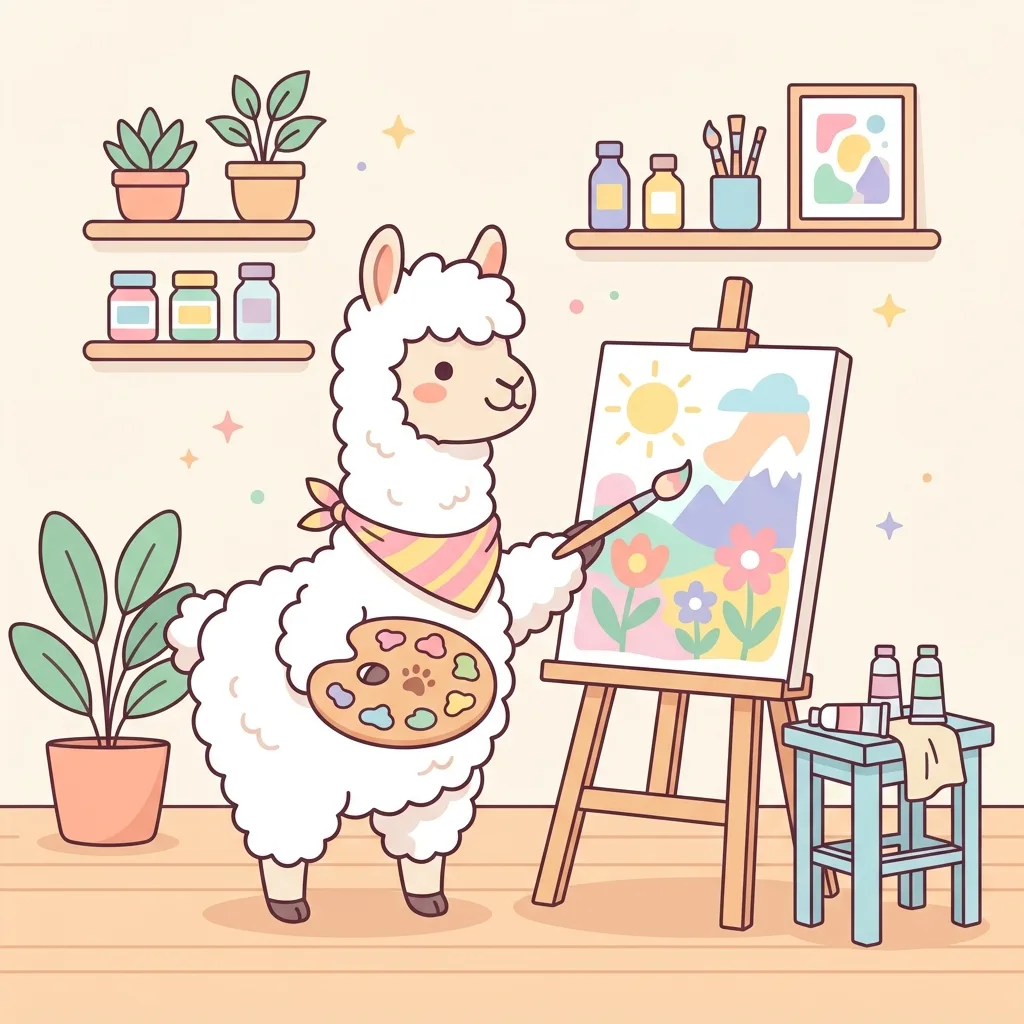
- Japanese kawaii: large eyes, pastel colors, rounded shapes. Dominates merchandising and emojis, propelled by brands like Tokidoki and Sanrio.
- Modern art deco: angularity, gold tones, complex geometric patterns, widely used in luxury branding and boutique hotels.
- Urban street art: vibrant colors, rough textures, social message, seen in murals and activism, inspired by Banksy and Os Gemeos.
- Botanical vintage: delicate watercolours, natural elements, script typography, a classic for wedding invitations, popularized by Rifle Paper Co. and Anna Bond.
Digital iconography and meme culture: emojis evolved from pixelated icons to characters with defined personalities; GIF culture uses dancing or chewing llamas to communicate emotions; recognizable meme templates star llamas; customized llama avatars sweep across gaming platforms; in Web3, algorithmically generated NFT llama collections have emerged.
Commercial applications: sustainable branding for eco-friendly companies, food packaging for organic products, tech startups projecting accessibility and humor, hospitality design with photogenic identities, educational children's content.
Textile art: artists like Sheila Hicks and Annie Albers have inspired large-format backstrap-loom installations; Cayce Zavaglia and Michelle Kingdom achieve hyperrealism embroidering llama portraits; Grayson Perry and Kaws use llamas in narrative tapestries reaching record auction figures; inspired by Joseph Beuys, some artists craft life-size felt sculptures.
Interior textile design: statement wallpaper with stylised llama silhouettes, hand-embroidered cushion collections, throws combining alpaca or llama fiber with modern graphics, bold curtain patterns, narrative rugs.
Sustainable fashion: slow fashion brands using the llama as their logo to guarantee quality and origin, collaborative collections with Andean cooperatives, seasonal capsules celebrating shearing cycles, gender-neutral design, circular fashion built to last decades.
Ceramics and sculpture: artisan tableware wheel-thrown with natural glazes (€80-200/set), sculptural planters hand-built (€45-150), decorative figures with polychrome finish (€30-80), large raku installations (€2,000-15,000), ceramic jewellery (€25-120).
Experimental techniques: holographic glazes shifting color by angle, LED-integrated ceramics, translucent porcelain recreating fleece softness, experimental raku with unique charred textures, sound ceramics with moving elements.
Functional ceramics: cups and teapots for coffee culture, complete tableware sets with llama motif variations, storage vases and containers, spa-like bathroom accessories, weather-resistant garden sculptures.
Decorating styles: Scandi-hygge (light woods, wool, whites and beiges); bohemian maximalist (colorful tapestries, mixed textures, terracotta and mustard); industrial chic (wrought iron, exposed brick, blacks and whites); Japandi zen (bamboo, natural stone, monochromatic tones); Mediterranean coastal (limestone, washed linen, navy blues).
Room integration: living rooms benefit from one large statement piece; bedrooms from neutral-toned textiles; kitchens from engraved utensils and themed tableware; bathrooms from artisan ceramics; home offices from creativity-boosting elements; kids' rooms from complete colorful decor.
Design collaborations: IKEA x local artisans, West Elm x Andean cooperatives, Target x independent artists, Anthropologie x ceramic studios, CB2 x contemporary illustrators.
Curation principles: the Triangle Rule (grouping three pieces avoiding perfect alignment), a limited palette of 3-4 colors, scale variation mixing sizes, contrasting textures combining smooth and rough surfaces, and a single focal point per space.
Lighting: warm light (2700K) enhances earthy tones, track lighting directs the beam to each piece, picture lights eliminate shadows, indirect uplighting creates ambient mood, dimmer controls adjust intensity, and UV-filter glass protects from sun damage.
Investment guide: numbered, signed prints hold value better, demand provenance documentation and certificates, research the artist's trajectory, verify archival-quality materials, weigh cultural relevance, and pay attention to market timing.
How do I prevent llama decor from looking kitsch? Prioritize pieces by recognized artists using noble materials, limit the quantity, consider spatial context, and opt for neutral, earthy palettes.
What formats work best in each room? Spacious living rooms: 50x70cm or larger. Bedrooms: medium formats (30x40cm). Home offices: small pieces (20x25cm). Bathrooms: humidity-resistant glazed ceramics.
What's the price range for original art versus reproductions? Emerging original pieces: €200-800. Established artists: €2,000-15,000. Limited editions: €80-300. Commercial reproductions: €30-80. Artisan ceramics: €45-200.
How do I know if a piece is a good investment? Research the artist's trajectory, verify documentation and archival materials, consider cultural relevance, evaluate rarity, and above all, buy what you genuinely love.
What care do different techniques require? Watercolors and prints need UV protection; ceramics tolerate gentle damp-cloth cleaning; textile art needs gentle vacuuming and annual dry cleaning; metal sculptures need a dry environment and protective wax.
TodoLlamas Team
Passionate about Andean culture and the world of camelids. Our mission is to research and share the most curious information about llamas.