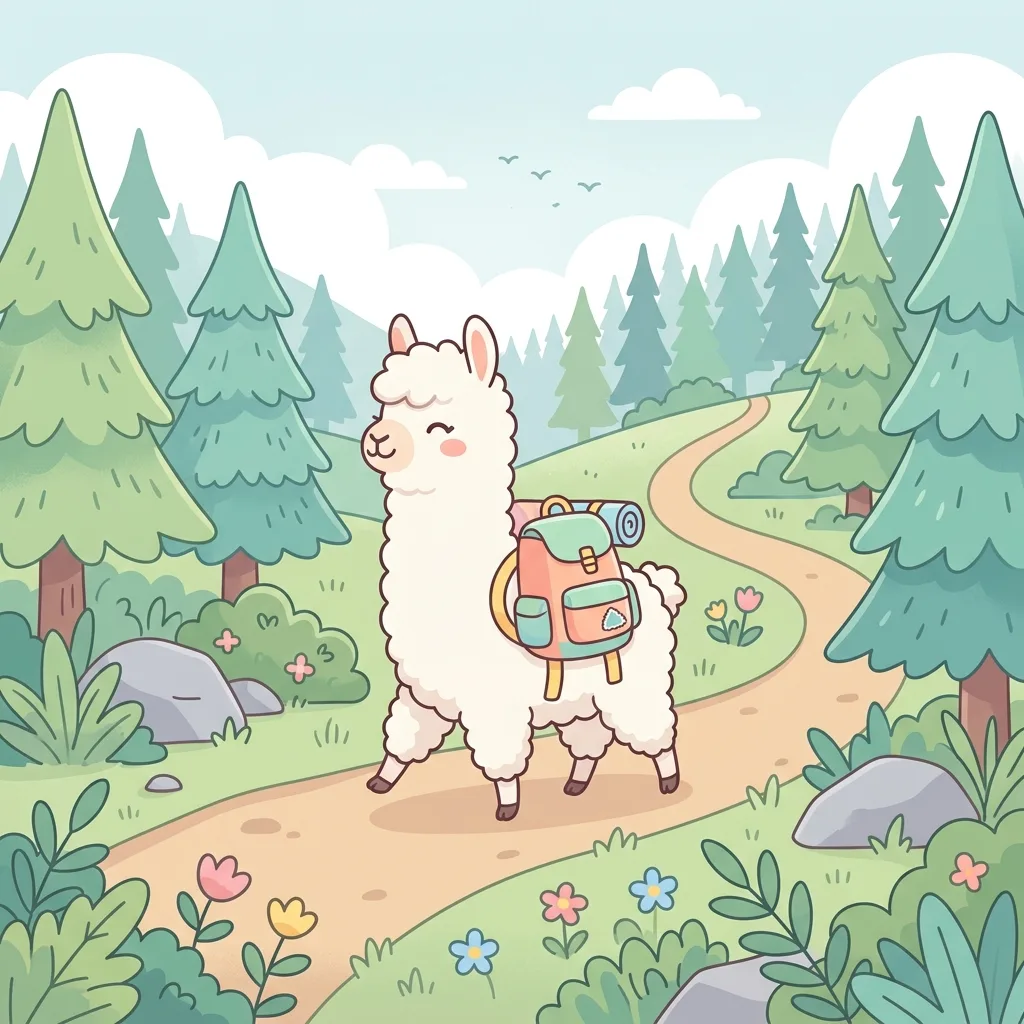
Llama Trekking and Rural Tourism Guide
A guide to llama trekking and rural tourism: common activities, animal-welfare considerations, and what to check before booking.
Llama trekking and rural tourism have evolved from a novelty into a thriving niche across Spain, France, the UK, and Latin America. Visitors increasingly pay to walk with llamas through natural landscapes, participate in daily care, or stay on specialized eco-friendly farms.
Europe has developed a mature llama tourism ecosystem
Without attributing each activity to a specific operator (always verify who's actually offering it and their conditions before booking), these are the common formats found across various European rural and mountain areas:
- One- or multi-day treks with pack llamas, common in mountain regions like the Picos de Europa or the Alps.
- Short walks combined with another activity (afternoon tea, wine tasting, local food), at rural farms in several countries.
- Wellness retreats and fiber processing workshops at specialized farms.
- Educational farm visits aimed at families and school groups.
Prices vary a lot by operator, season, and experience length; search and compare specific offers and check current rates before booking.
Business models: farm-to-table culinary experiences, educational programs on sustainable agriculture, therapeutic tourism with assisted therapy sessions, corporate team-building retreats, and seasonal harvest festivals.
Regulations depend on the country and the type of activity. They can include registration of the animals and the holding, animal welfare rules, liability insurance, transport requirements, tourism licenses, and specific requirements for guided activities. Always check the applicable regional and local regulations before booking or organizing an experience.
Llama tourism in its natural habitat
- Peru (Sacred Valley): walks along Inca trails, direct employment for local weavers and muleteers.
- Bolivia (Salar de Uyuni): llama caravans across the salt desert, support for salt-mining cooperatives.
- Ecuador (Chimborazo): high-altitude expeditions funding Andean conservation projects.
Community tourism models: communal ownership reinvesting in schools and clinics, controlled pasture rotation preventing erosion, genetic conservation of traditional breeds, and ancestral water management of bofedales.
Cultural preservation: the Challa ritual (blessing the caravans), natural dyeing techniques, participatory Andean gastronomy with quinoa and charqui, and folk music and dance in the evenings.
Types of experiences in North America
As with Europe, this describes common formats, not a closed or verified list of specific operators:
- Multi-day wilderness packing in mountain regions like the Rockies.
- Vineyard walks combined with wine tasting, in some agricultural regions.
- Winter eco-tourism with snowshoeing in parks and cold rural areas.
Prices depend on the operator and season; search for specific offers and always check current rates before booking.
Llama packing: soft padded feet don't damage trails unlike horseshoes; a trained llama carries up to 25% of its body weight; allows access to remote areas; grazes on natural forage reducing the food burden hikers would carry.
Peri-urban agriculture: weekend family visits, yoga classes with llamas, photography and special events like weddings, and symbolic animal adoption programs.
Animal welfare in tourism: heat fatigue (rapid open-mouth breathing) requires stopping and cooling the animal; overloading requires lightening the load and rest; social anxiety (ears back, sharp humming) requires separating the animal from crowds.
Ethical training: early desensitization to noise and human contact, halter training without harsh tugs, herd socialization without working alone, and mandatory work rotation to prevent fatigue.
Facilities: well-ventilated shelters, adapted trailers with low-incline ramps, exclusive rest areas away from visitors, and uninterrupted access to clean water.
Market segmentation: families with children want short workshops and flat trails; wellness seekers fit yoga retreats and silent meditation walks; adventure lovers prefer multi-day high-mountain trekking.
The regenerative future: active ecological care sowing native seeds, carbon offsetting funding reforestation, deep environmental education, and direct connection to the local economy without intermediaries.
TodoLlamas Team
Passionate about Andean culture and the world of camelids. Our mission is to research and share the most curious information about llamas.